Video feed rollout – Reach metric – Profile growth
1. LinkedIn is bringing back the video feed — really?

After initial tests in the U.S., LinkedIn is starting the next rollout of the video feed in Canada, the U.K., and Australia. More markets — including Germany — are to follow. The first attempt was stopped after two weeks in spring 2025 — you might remember. This time LinkedIn is proceeding much more strategically. The rollout is gradual and has a clear goal: video should become an established part of the platform. The objectives are:
- Strongly increasing video views
- Significantly longer time on platform
- More engagement than classic posts Text posts therefore don’t suddenly become less relevant. On the contrary: for deeper insights, analyses, and professional discussions they remain indispensable. Video, however, can do something that text often only does to a limited extent:
- Build trust
- Make personality visible
- Create closeness
- Explain complex topics understandably
The decisive success factor is not the technology or perfect production. The most important question is: Why should someone watch this video right now? Anyone who answers that question convincingly and provides real added value will gain attention in the long run. I’m curious whether LinkedIn can permanently establish video on the platform with this renewed attempt. What do you think? Will video become significantly more important on LinkedIn in the next few years — or will text remain the dominant format?
2. LinkedIn’s new reach metric — do your posts leave your bubble?

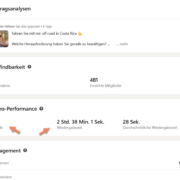
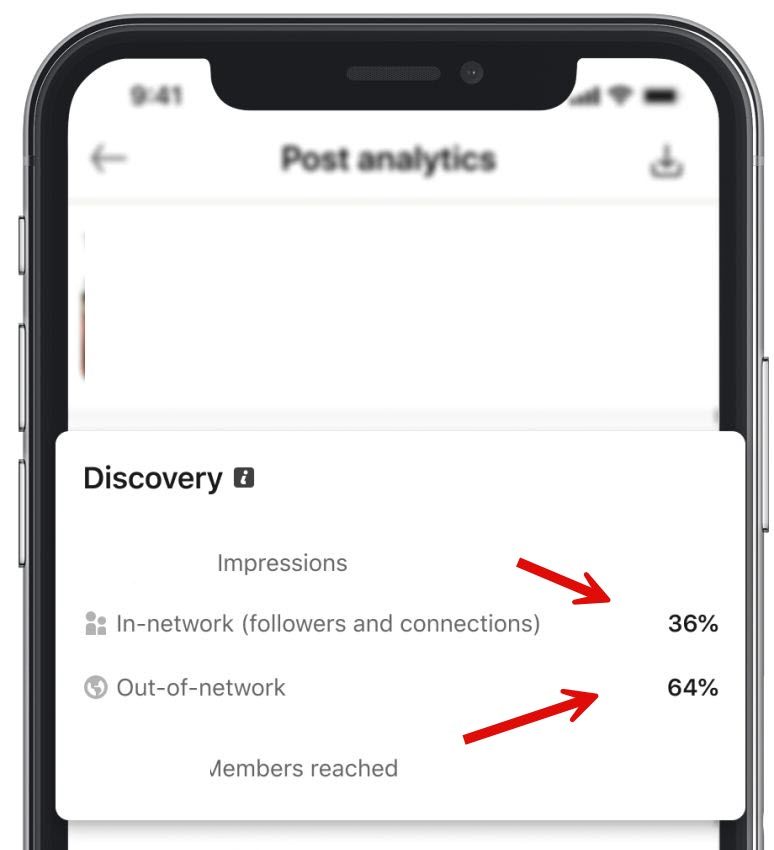
- Until now, LinkedIn post analytics were incomplete: you could see impressions, but not whether those impressions came from new audiences or only your existing network.
- LinkedIn is introducing a new metric to close that gap.
What the metric shows
- It breaks reach into two clear components: In‑Network Reach — people already connected to you or who follow you. Out‑of‑Network Reach — people who discover your content via recommendations, search, or reposts.
Why this matters
- Impressions alone are misleading. Two posts can each show 20,000 impressions but mean very different things: One may reach only existing contacts (low strategic value). The other may reach thousands outside your network (high strategic value).
- The new metric gives context to raw reach numbers and reveals whether your content truly expands your visibility.
What you can learn
- Which content attracts new target groups.
- Which topics perform well outside your bubble.
- Which posts mainly engage your existing community.
- Whether your overall visibility on LinkedIn is growing.
Practical implications
- Valuable for personal branding, social selling, and content marketing because it shows strategic impact, not just vanity metrics.
- Use the data to prioritize topics and formats that drive Out‑of‑Network Reach when growth is the goal; focus on In‑Network Reach when deepening relationships matters.
Rollout status and next steps
- The feature is being rolled out gradually. If you don’t see it yet, it should appear soon.
- Action: Check your analytics once it appears and compare posts by in‑ vs out‑of‑network reach to identify which content expands your audience.
Questions to prompt reflection
- Do you already see the new metric in your analytics?
- Which of your posts do you expect to perform best outside your network — and why?
3. Why some LinkedIn profiles grow — and others stagnate
Problem: similar reach, different outcomes

- Two people can have similar follower counts or impressions but very different results: One grows steadily. The other posts more often but barely moves forward.
- A key reason: LinkedIn evaluates not only individual posts but also the thematic clarity of your profile.
Why thematic clarity matters
- LinkedIn favors clear themes.
- Publishing about everything that comes to mind makes it unclear what you stand for—for both the algorithm and your audience.
- More posts do not automatically mean more reach. Focus beats quantity: three posts on a clear topic often outperform six scattered posts.
How successful profiles behave (theme series)
- They treat content as a connected series rather than isolated one-offs.
- A simple three-part structure that works: Convey expertise — share frameworks, insights, or how-tos. Share a personal experience — add authenticity and context. Show a practical example or result — demonstrate impact or application.
- Each post reinforces the previous one and builds a coherent thematic profile that the algorithm and your audience can understand and follow.
Quick action plan (10-day sprint)
- Pick one core topic.
- Plan three connected posts to publish within the next ten days: Post 1: Teach — a short practical insight or framework. Post 2: Tell — a personal story that illustrates the insight. Post 3: Show — a case study, result, or concrete example.
- Measure engagement and reach, then iterate.
What to expect
- Clearer positioning increases discoverability and follower relevance.
- Higher chance of sustained reach growth rather than short-lived spikes.
- Better engagement from people who understand and care about your topic.
Would you like a 3-post plan for one of your topics? If so, tell me the topic and your preferred tone (professional, conversational, or bold).